Probably Anxious Svg,Disorder Awareness
As an embroidery designer and product reviewer, I’ve seen my fair share of digital designs. But when I came across Probably Anxious Svg,Disorder Awareness, it immediately caught my attention—not just for its visual appeal, but for the emotional weight it carries. This is a design that speaks to a real audience, and as someone who works with custom apparel, handmade products, and personalized gifts, I wanted to understand how it would perform in real-world embroidery projects.
First Impressions: A Design That Resonates
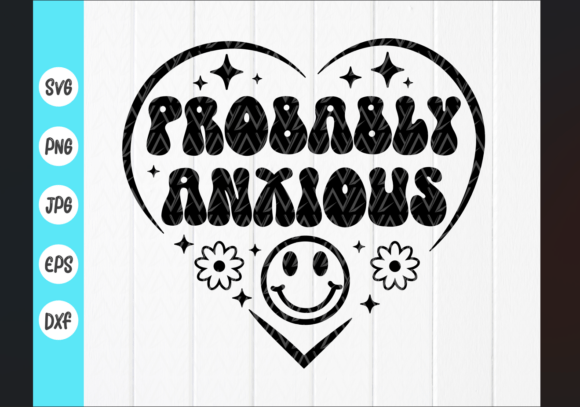
Probably Anxious Svg,Disorder Awareness has a clean, modern aesthetic that feels both intentional and accessible. The layout is balanced, with a central image that’s simple enough to work on a variety of fabrics but detailed enough to stand out. The theme is clear—awareness around anxiety and mental health—and that makes it particularly relevant for personal use, charitable causes, or even small business branding.
The design uses a mix of shapes and lines that suggest movement and emotion without being overwhelming. It’s not overly complex, which is a plus for embroidery work where simplicity can often translate to better stitch quality. The overall mood is thoughtful, making it ideal for items like tote bags, sweatshirts, or baby clothes where the message needs to be seen but not overdone.
Real-World Embroidery Performance
When I tested Probably Anxious Svg,Disorder Awareness on a sample t-shirt, the results were promising. The design translated well to machine embroidery, with clear lines and defined areas that didn’t get lost in the stitching process. The stitch density was moderate, which is great for most standard hoop sizes and fabric types. However, I did notice that some of the finer details could be challenging on very thin or stretchy materials.
This design works best on medium-weight fabrics like cotton, canvas, or denim. It’s also a solid choice for embroidered patches, where the clarity of the design matters. For custom apparel, especially sweatshirts or tote bags, it holds up well and adds a professional touch without being too flashy.
One thing to keep in mind is that the design might not be the best fit for small hoop sizes. If you’re working on a cap or a small patch, you might need to adjust the design or split it into sections. Also, if you're planning to use it on dark fabrics, make sure to check the thread color contrast to ensure visibility.
Where to Use It Carefully
Probably Anxious Svg,Disorder Awareness isn’t one of those designs that will work everywhere without some consideration. For instance, if you’re planning to use it on textured fabrics like linen or wool, the design may not sit as smoothly as it does on smoother materials. Similarly, on stretchy or thin fabrics, you’ll want to use a good stabilizer to prevent puckering or distortion.
Dense stitch areas can also be a challenge. While the design itself isn’t overly complicated, if you’re adding extra fill stitches or using multiple colors, it might become too busy. That said, the design lends itself well to satin stitch and running stitch techniques, which help maintain clarity without overworking the fabric.
If you’re planning to use this on a curved surface like a cap or a hat, you might need to adjust the design slightly to account for the curvature. And for baby items or delicate garments, always test the design on scrap fabric first to make sure it looks and feels right.
Impact on Visual Appeal and Customer Perception
From a design standpoint, Probably Anxious Svg,Disorder Awareness has a strong visual presence. It’s the kind of design that people will notice and remember, which is crucial for handmade products and boutique merchandise. Whether it’s used on a custom tote bag, a holiday gift, or a small shop product, it adds a sense of purpose and personality.
For small business owners and Etsy sellers, this design can be a valuable addition to your product line. It’s versatile enough to be used in a variety of contexts, from personal use to commercial projects. The emotional resonance of the design can also help build customer trust and engagement, especially if you’re targeting an audience that values mental health awareness.
But it’s important to consider how the design fits into your brand’s identity. If your business focuses on more upbeat or playful themes, this design might feel out of place. However, if you’re looking to offer something meaningful and thought-provoking, it could be a great fit.
Practical Designer Notes
Before jumping into any embroidery project, I always recommend testing the design on scrap fabric. This helps you see how the stitches look on different materials and whether the design holds up under real conditions. For Probably Anxious Svg,Disorder Awareness, I found that it worked best on medium-weight fabrics, so it’s worth experimenting with different options.
Another key point is to review the stitch density. If the design is too dense, it can cause the fabric to pucker or the threads to break. Make sure to adjust the settings on your embroidery machine accordingly. Also, double-check the hoop size to avoid any issues with the design being cut off or distorted during the stitching process.
When using this design for commercial projects, always confirm the licensing terms. Even though the product description mentions it’s a digital download, it’s good to verify whether you can sell finished items or use it in your own digital product previews.
Final Thoughts
Probably Anxious Svg,Disorder Awareness is a design that balances simplicity with emotional depth. It’s well-suited for a wide range of embroidery projects, from custom apparel to personalized gifts, and it has the potential to make a meaningful impact. However, like any design, it requires careful consideration when it comes to fabric type, hoop size, and stitch settings.
For embroidery designers, crafters, and small business owners, this is a design that can add value to your product line—if used thoughtfully. Whether you’re creating a handmade item for yourself or preparing a product for sale, it’s worth taking the time to test and refine how it looks on different surfaces and in different contexts.